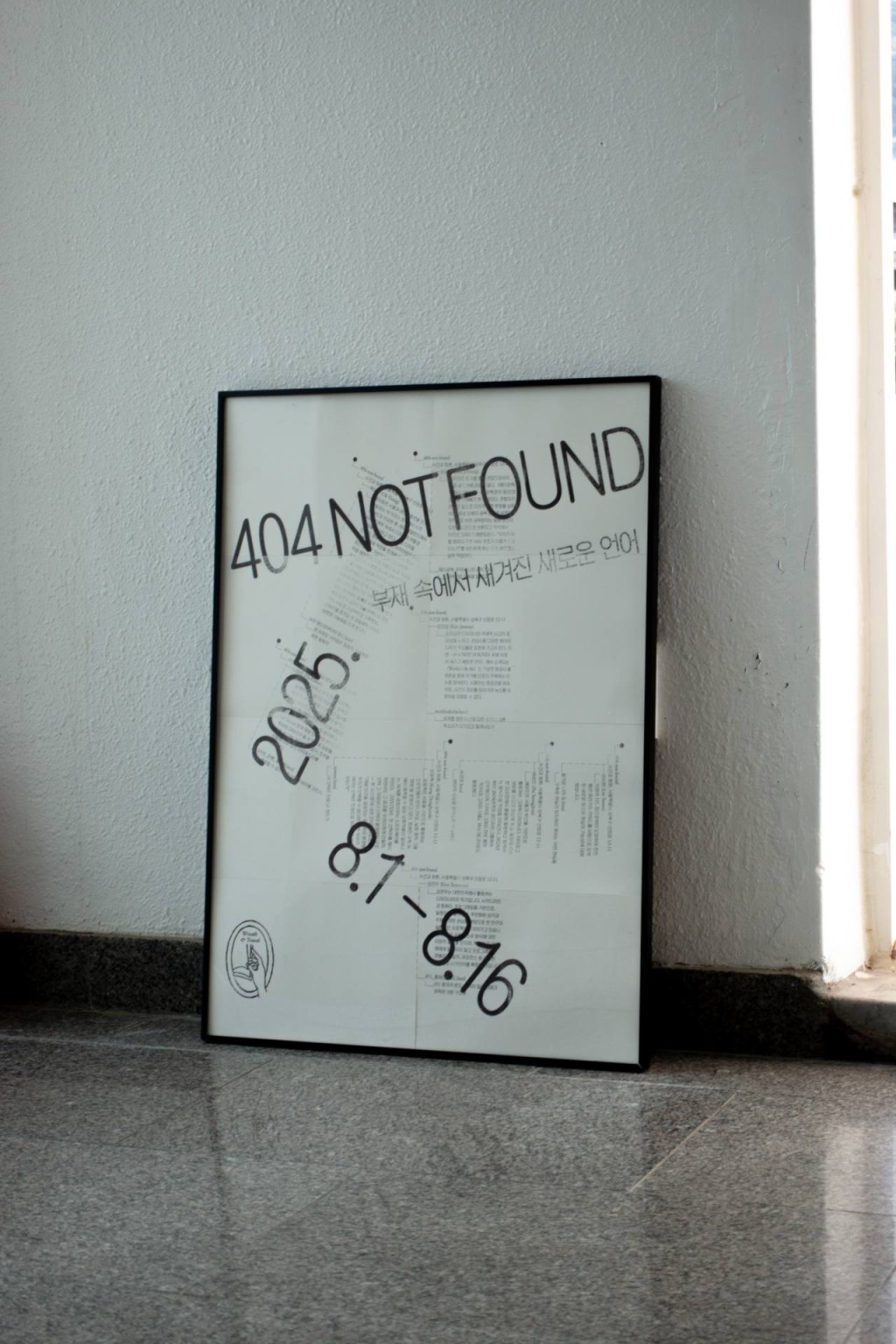
해당 전시는 최근 한국 사회의 사건들 속에서 반복적으로 드러난 기록의 누락과, 네덜란드 체류 동안 경험한 고립감에서 출발한다. 기술적 오류 메시지인 ‘404 Not Found’를 사회적 부재의 은유로 읽으며, 존재해야 할 것이 사라진 자리에서 어떤 감각과 언어가 생성되는지를 탐구한다. 참여 작가들은 다양한 미디어와 디지털 내러티브를 활용해 지워진 흔적, 소실된 기억, 불완전한 데이터의 틈을 시각화하며, 정보와 기억이 재구성되는 과정을 관객에게 공유한다. 이 전시는 부재가 남긴 공백을 새로운 관계와 해석의 가능성으로 바라보는 하나의 시도이다.
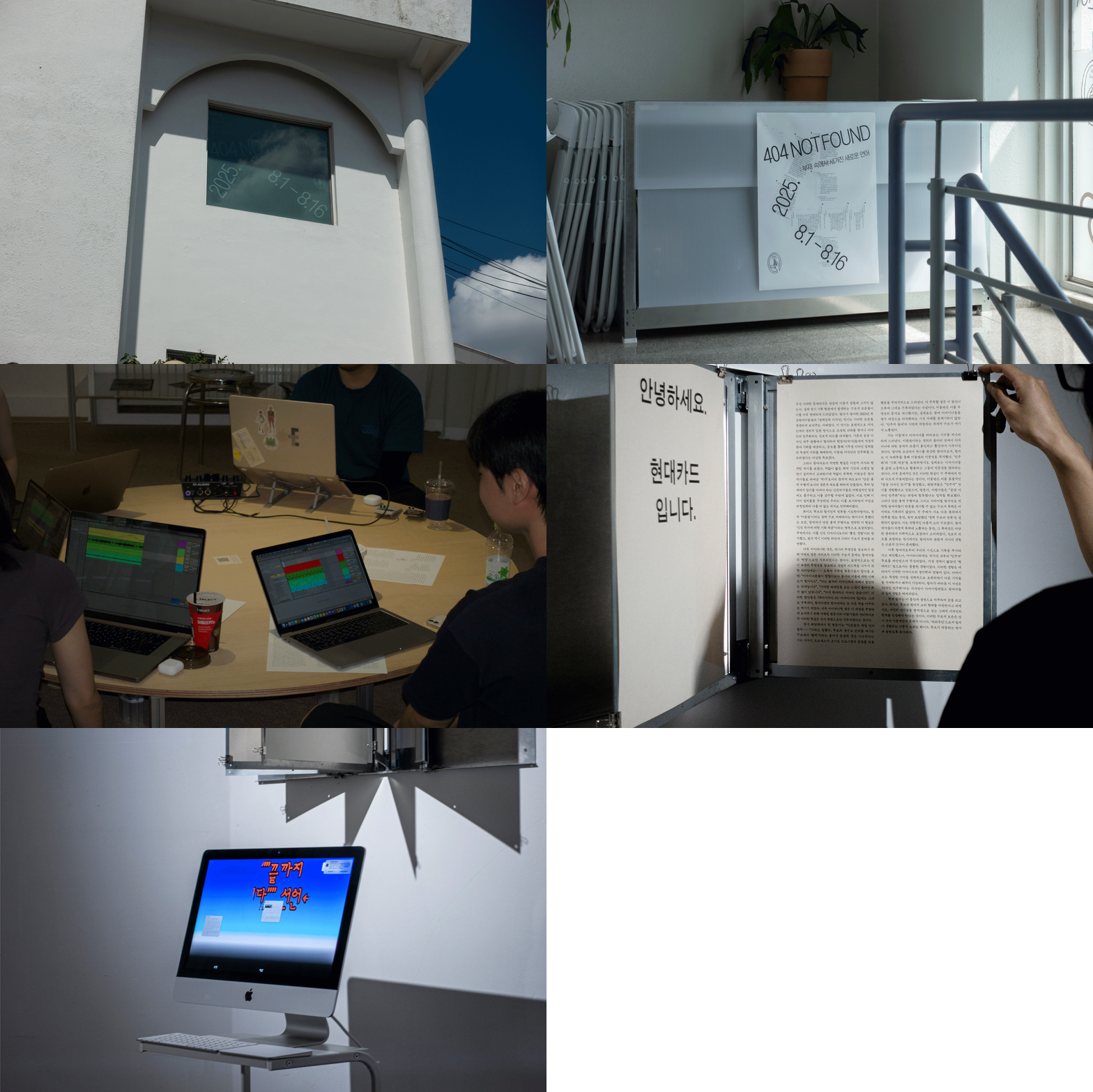
404 NOT FOUND: New Language Inscribed in Absence explores the recurring gaps in recent Korean public records and the sense of physical and emotional isolation experienced in the Netherlands. Reading the technical error message “404 Not Found” as a metaphor for social absence, the exhibition examines how new forms of perception and language emerge from what has been erased or lost. Through diverse media and digital narratives, participating artists visualize missing traces, fragmented memories, and the instability of data, inviting viewers to reflect on how information and memory are continually reconstructed. The exhibition approaches absence not as a void but as a site of new relationships and interpretations.
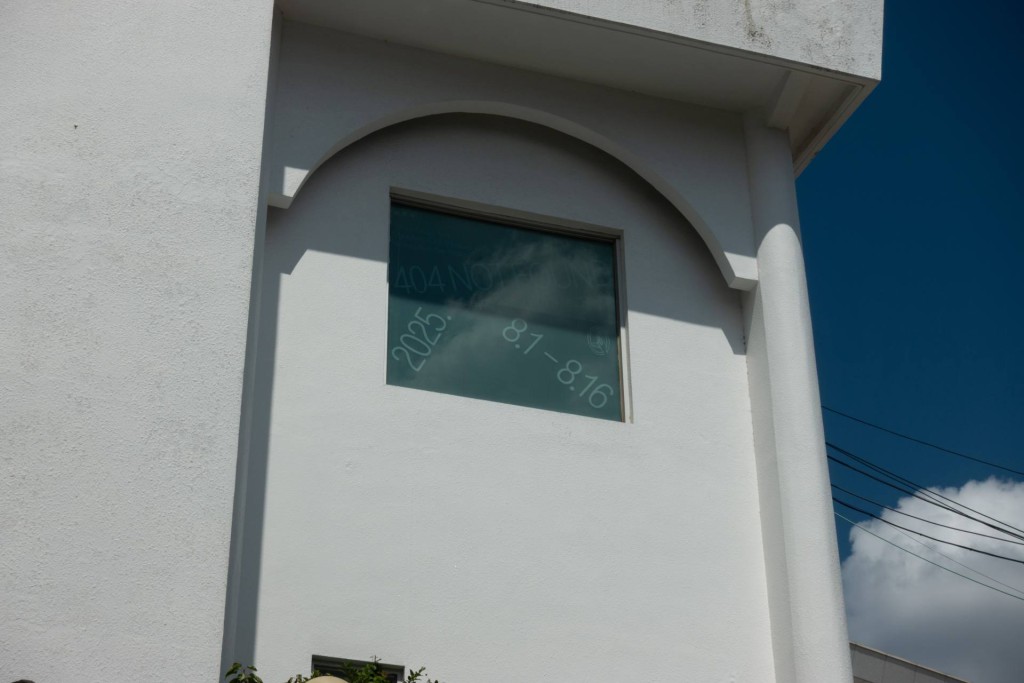
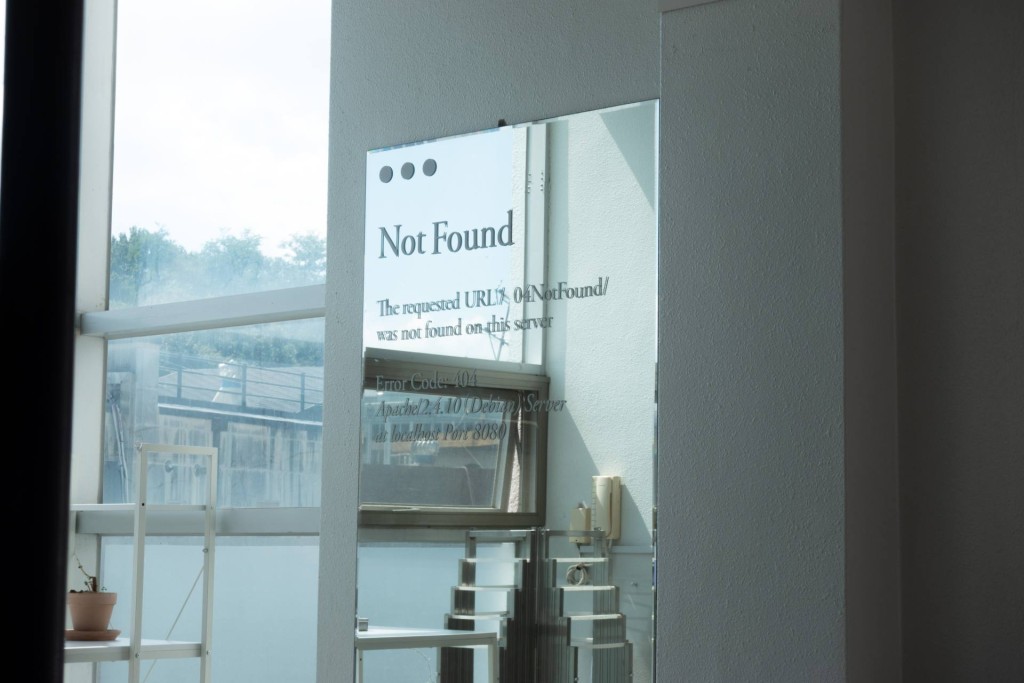
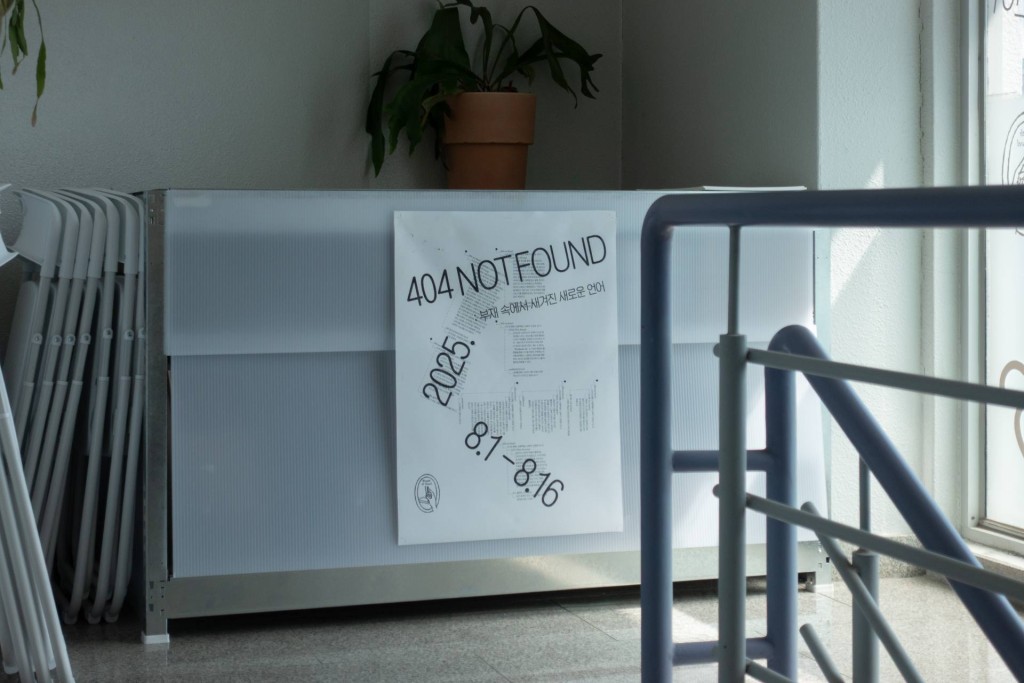
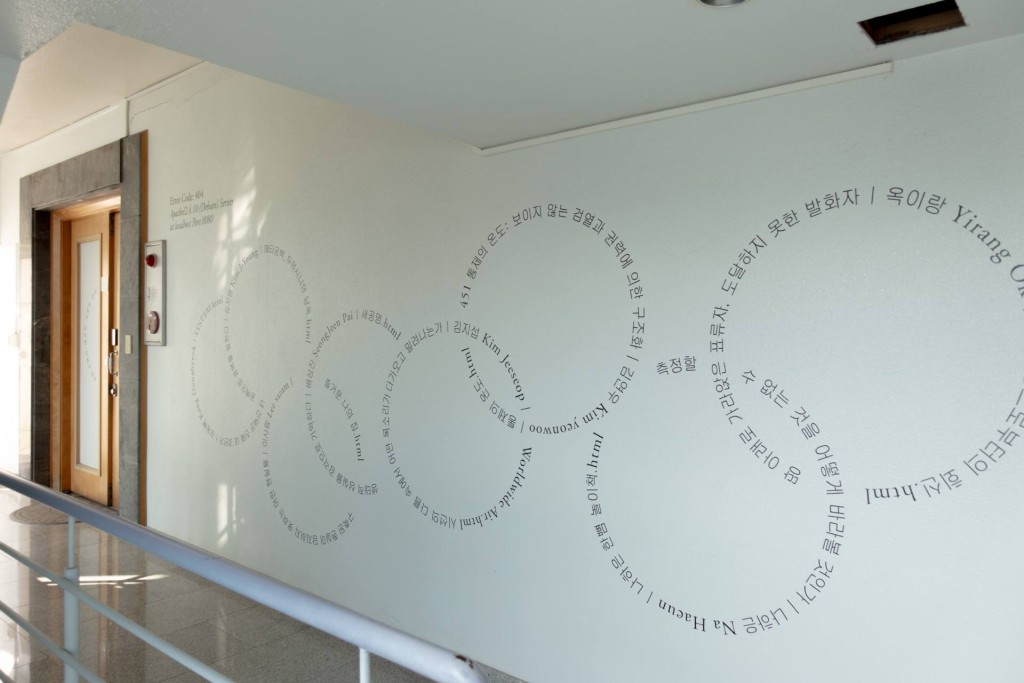
기획자로서 이 전시는 2024년 겨울에 시작되었습니다. 한국 사회의 공적 기록에서 반복적으로 발견되는 빈틈들, 그리고 네덜란드에서 생활하며 겪은 물리적·정서적 고립의 감각이 전시의 형태를 만들었습니다. 최근 몇 년간 한국 사회에서 일어난 여러 사건과 참사는 기록을 남기지 못한 채 지나가곤 했습니다. 이 공백들은 우연이 아니라, 권력이 의도적으로 만들어낸 흔적이었습니다. 이런 경험들이 저로 하여금 \"Not Found (404)\"라는 오류 메시지를 하나의 사회적 은유로 읽게 만들었습니다.
As curator, this exhibition began in the winter of 2024, shaped by the recurring gaps in public record in Korea and the physical and emotional isolation I experienced in the Netherlands. In recent years, tragedies and incidents in Korean society have consistently left behind missing records. These gaps were not accidents, but traces deliberately produced by power. Such experiences led me to read the error message \"Not Found (404)\" as a social metaphor.
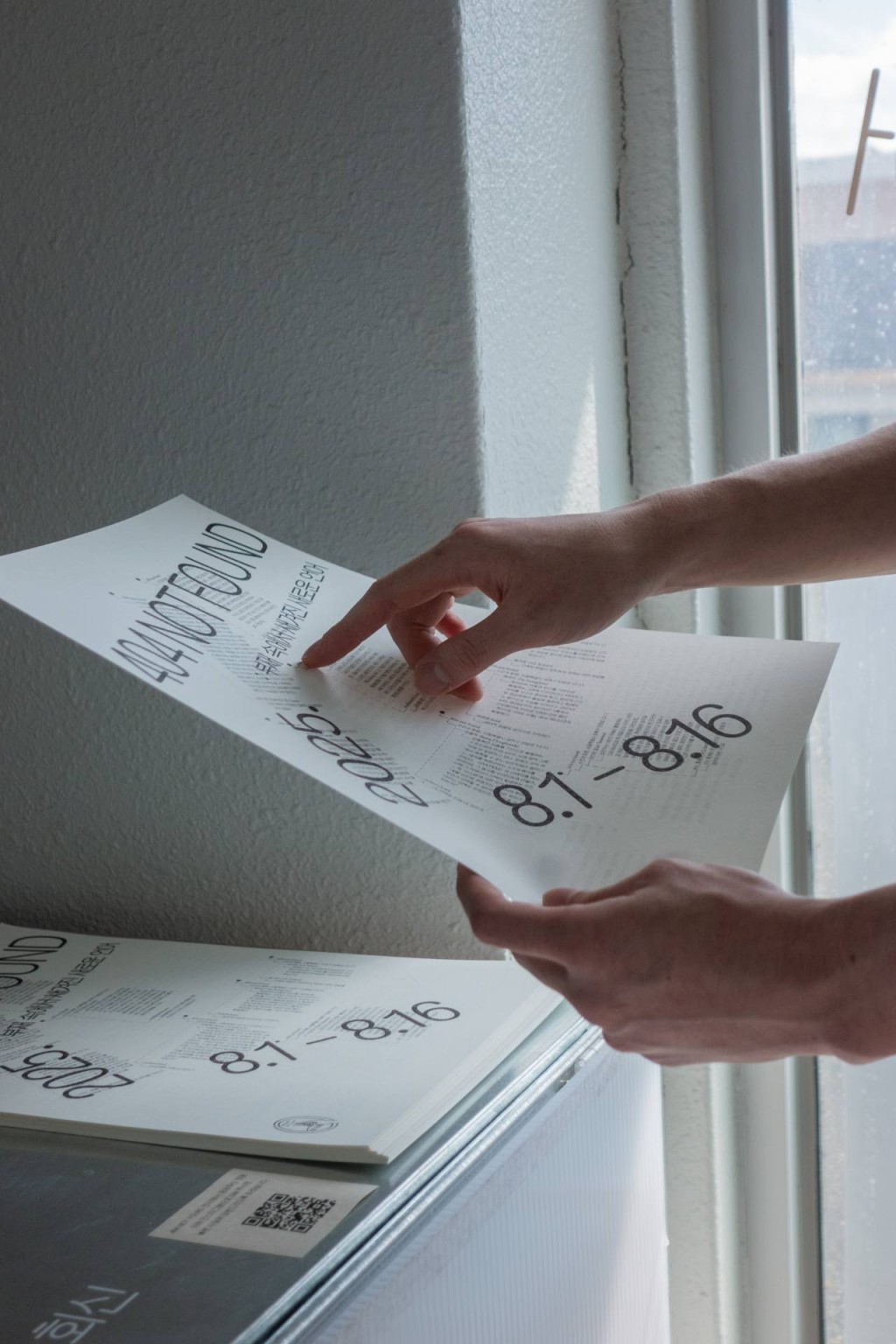
네덜란드에서 유학하는 동안 저는 이 부재를 더욱 날카롭게 느꼈습니다. 한국에서 벌어지는 사건과 비극을 라이브 스트리밍과 온라인 뉴스로 따라갔지만, 저는 화면 앞의 먼 관찰자에 머물렀습니다. 8,750킬로미터라는 거리는 단순한 숫자가 아니라, 내가 그곳에 없다는 촉각적인 감각이었습니다. 인터넷은 연결을 약속했지만, 지연과 끊김, 차단은 새로운 형태의 단절을 드러냈습니다. 데이터의 흐름 속에서 저는 오히려 더 고립되었고, 그 고립 자체가 경험의 일부가 되었습니다.
While studying abroad in the Netherlands, I felt this absence even more sharply. I followed events and tragedies in Korea through live streams and online news, yet I remained only a distant observer before the screen. The distance of 8,750 kilometers was not just a number but a tangible sense of my non-presence. The internet promised connection, but delays, disruptions, and blocks revealed new forms of disconnection. Within the flow of data, I felt even more isolated, and that isolation itself became part of the experience.
이러한 맥락에서 오류 코드 404는 전시의 토대가 되었습니다. 그것은 단순한 기술적 신호가 아니라 지워진 목소리, 사라진 흔적, 검열이 남긴 침묵의 언어입니다. 전시는 이 공백들을 결핍이 아니라 새로운 언어와 관계를 새겨 넣을 수 있는 공간으로 다루고자 했습니다.
In this context, error code 404 became the foundation of the exhibition. It is not just a technical signal, but a language of erased voices, missing traces, and the silences left by censorship. The exhibition sought to treat these blanks not as deficits, but as spaces to inscribe new forms of language and relation.
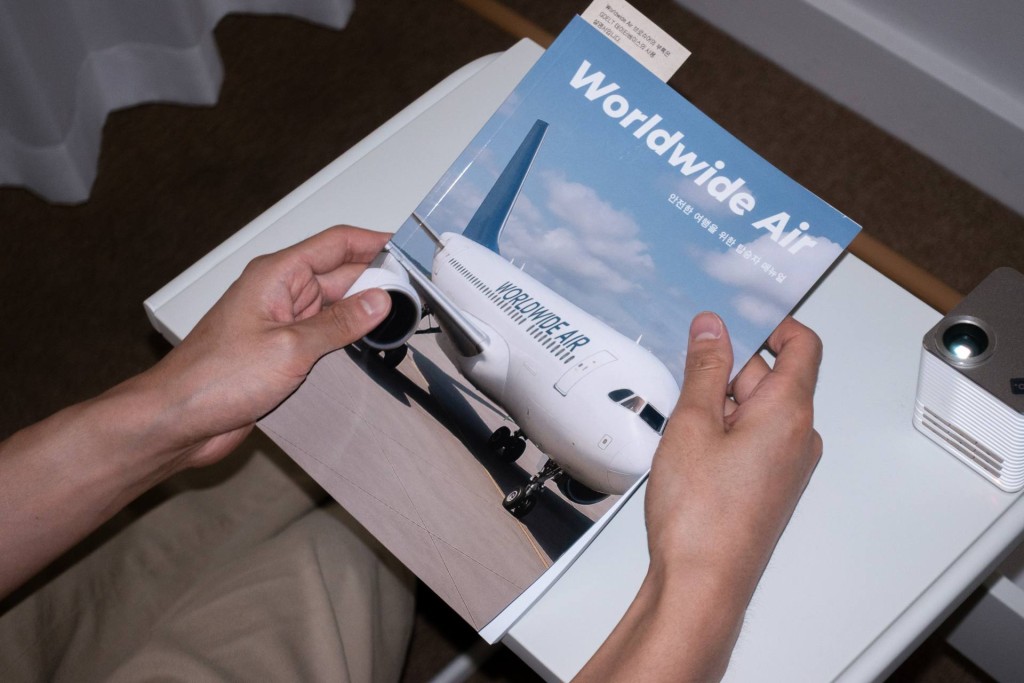
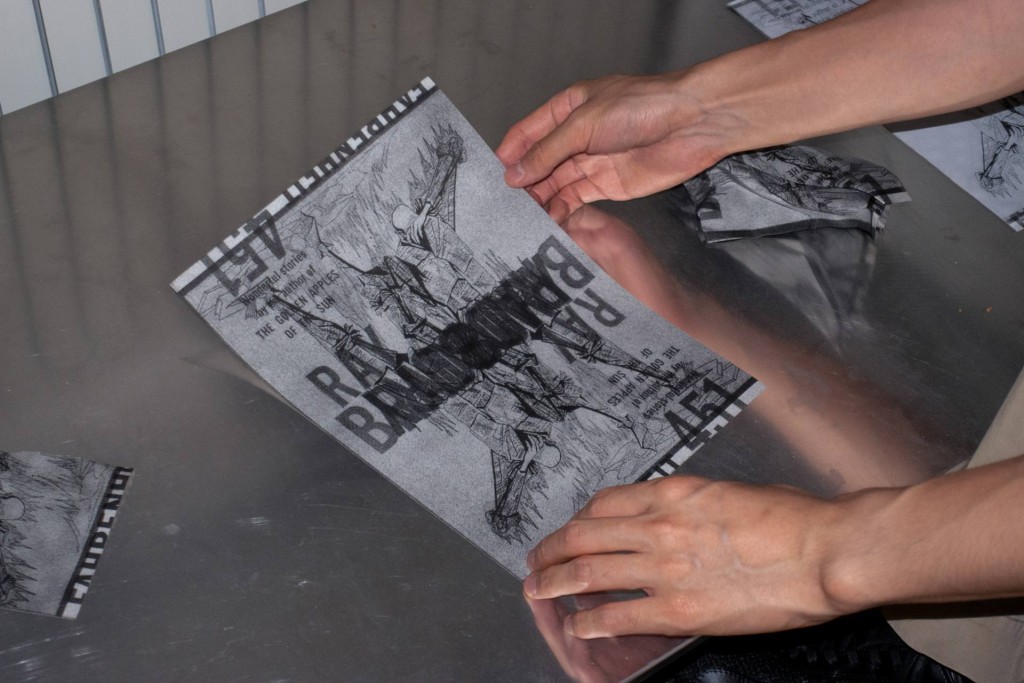
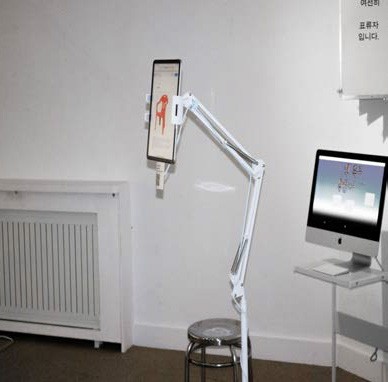
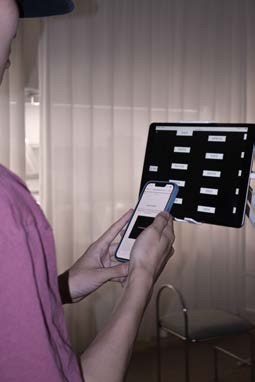
참여 작가들은 다양한 방식으로 응답했습니다. 어떤 이는 검열되거나 삭제된 이미지의 잔흔을 추적하여 통제의 시스템을 드러냈고, 또 다른 이는 인터넷의 흐름을 공기처럼 가시화하여 디지털의 비물질성과 유동성을 탐구했습니다. 퍼포먼스와 사운드 작업은 잃어버린 목소리를 증폭시켜, 듣기를 통해 부재가 경험되도록 했습니다.
The participating artists responded in diverse ways. Some traced the remnants of censored and deleted images to expose systems of control. Others visualized the flow of the internet as if it were air, exploring the immaterial and fluid qualities of the digital. Performances and sound works amplified lost voices, allowing absence to be experienced through listening.
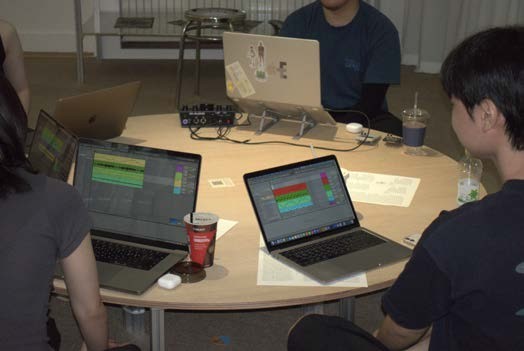
전시는 개별 작품을 넘어 공공 프로그램과 아카이브적 실험으로 확장되었습니다. 워크숍 ‘Missing Line’에서는 참가자들이 기록되지 않은 순간들을 다시 들여다보고, 그것이 어떻게 복원되고 다시 쓰일 수 있는지를 탐색했습니다. 각자의 경험을 공유하고 그것을 다른 형태로 변환함으로써, 부재가 어떻게 공동의 실천이 될 수 있는지를 드러냈습니다. 또 다른 프로그램은 사운드를 통해 부재와 삭제를 감각화하며, 지워진 흔적이 결코 완전히 사라지지 않음을 보여주었습니다.
The exhibition extended beyond individual works into public programs and archival experiments. In the workshop Missing Line, participants revisited unrecorded moments and explored how they might be restored and re-written. By sharing their own experiences and transforming them into other forms, they revealed how absence can become a collective practice. Another program used sound to make absence and deletion perceptible, showing how erased traces never fully disappear.
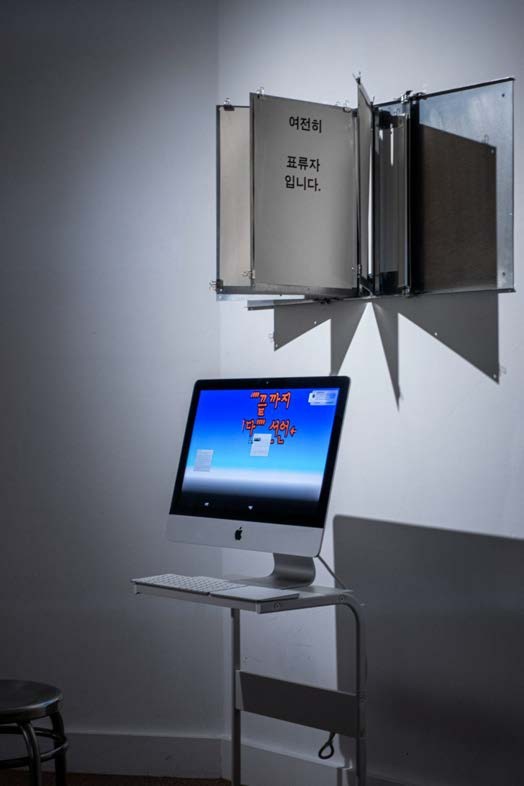
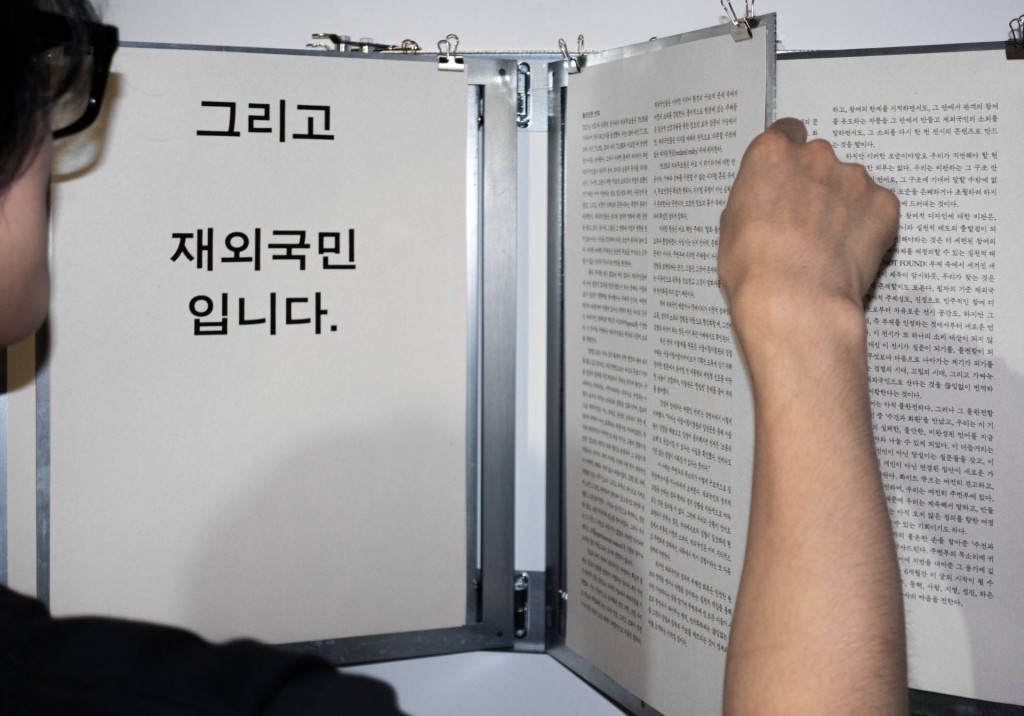
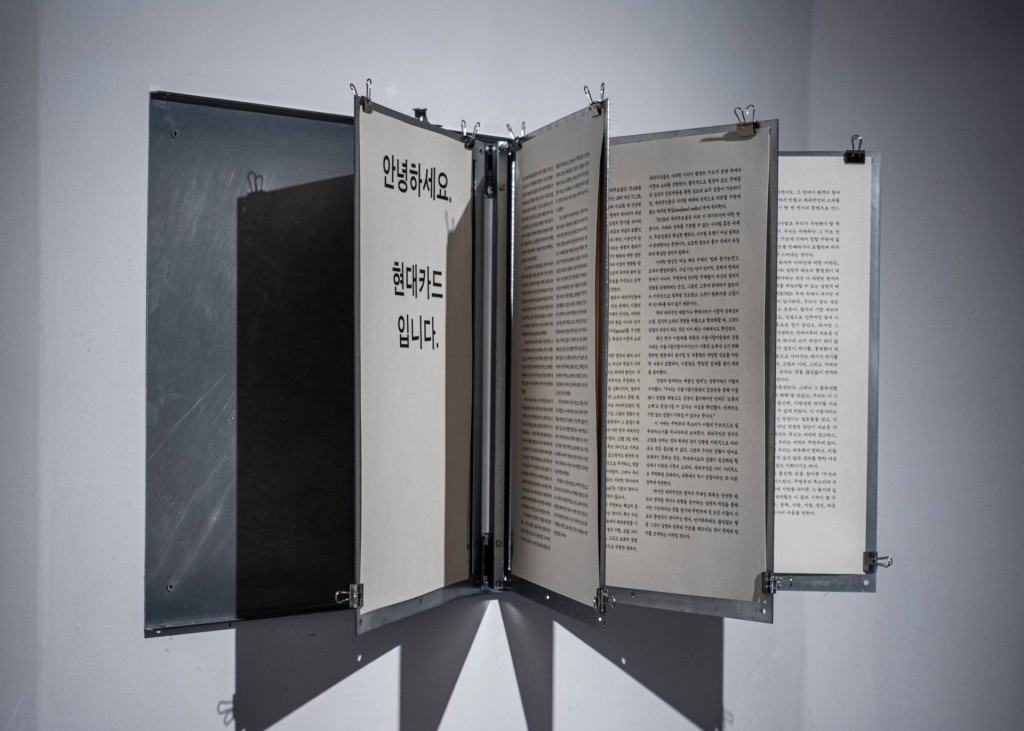
저의 작업 《Reply from the Low Land》은 해외에 사는 한국인으로서 제가 느낀 거리감을 성찰합니다. 저는 정치적 사건과 비극이 실시간으로 전개되는 것을 지켜보았지만, 현장에 닿을 수는 없었습니다. 연결을 약속하던 화면은 오히려 분리의 감각을 더욱 선명하게 만들었습니다. 작품 속의 검은 화면과 파편화된 텍스트는 단순한 시각적 장치가 아니라, 부재 자체의 언어입니다.
My own work, Reply from the Low Land, reflected on the distance I experienced as a Korean living abroad. I watched political events and tragedies unfold in real time, but I could not reach the site. The screen, which promised connection, only sharpened my sense of separation. The black screen and fragmented text in the work are not simply visual devices but the language of absence itself.
스크롤 아래로
Scroll down