이 프로젝트는 박물관 브랜딩과 전시 디자인을 중심으로 진행된 작업이다. 그는 박물관의 초대를 받아 브랜딩과 전시 디자인 시스템을 함께 설계하게 되었으며, 그 과정에서 박물관이 위치한 장소의 조건에 주목하게 되었다. 부산현대미술관은 을숙도에 위치해 있으며, 이곳은 철새들의 주요 이동 경로이기도 하다. 인간의 활동과 철새의 이동이 같은 장소에서 동시에 이루어진다는 점은 이 프로젝트의 중요한 출발점이 되었다.
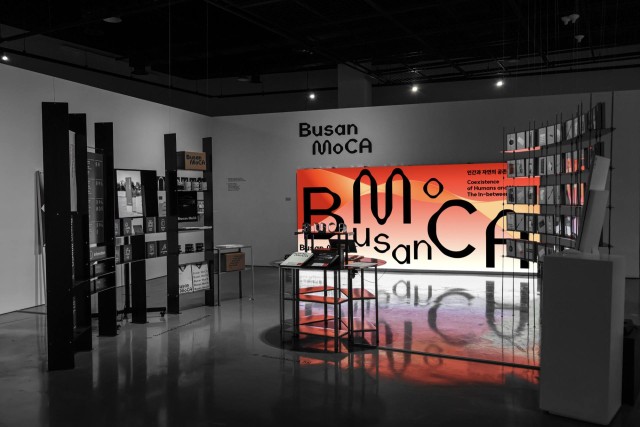
This project focused on museum branding and exhibition design. They were invited by the museum to develop its branding and exhibition design system, and during this process they became particularly interested in the conditions of the museum's location. The Busan Museum of Contemporary Art is situated on Eulsukdo, an island that also serves as a major migratory route for birds. The fact that human activities and the movement of migratory birds take place in the same location became the starting point of the project.
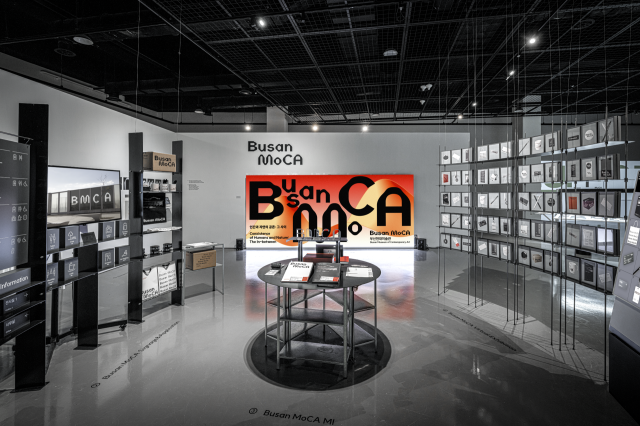
이 프로젝트는 박물관 브랜딩과 전시 디자인을 중심으로 진행된 작업이다. 그는 박물관의 초대를 받아 브랜딩과 전시 디자인 시스템을 함께 설계하게 되었으며, 그 과정에서 박물관이 위치한 장소의 조건에 주목하게 되었다. 부산현대미술관은 을숙도에 위치해 있으며, 이곳은 철새들의 주요 이동 경로이기도 하다. 인간의 활동과 철새의 이동이 같은 장소에서 동시에 이루어진다는 점은 이 프로젝트의 중요한 출발점이 되었다.
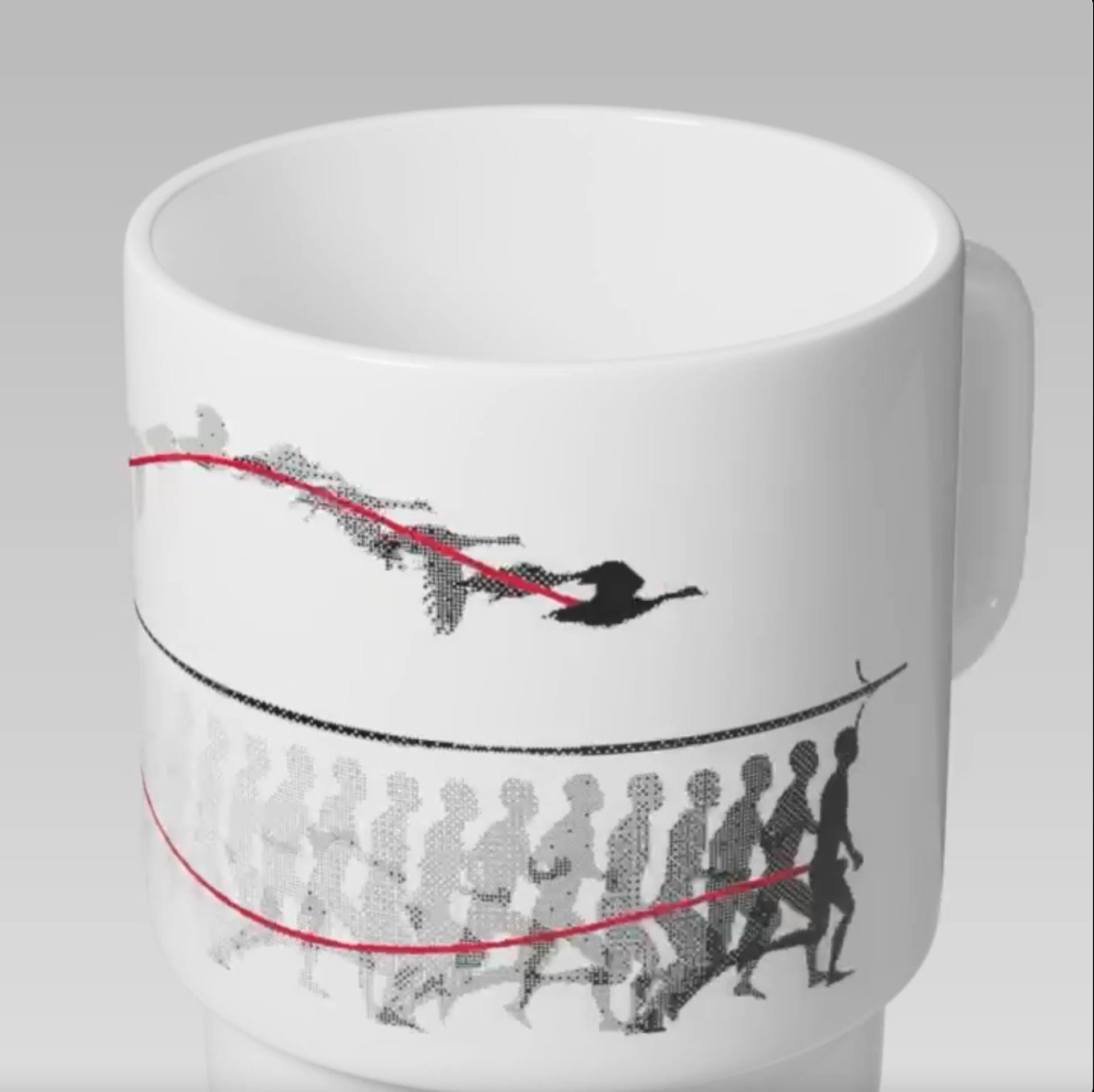
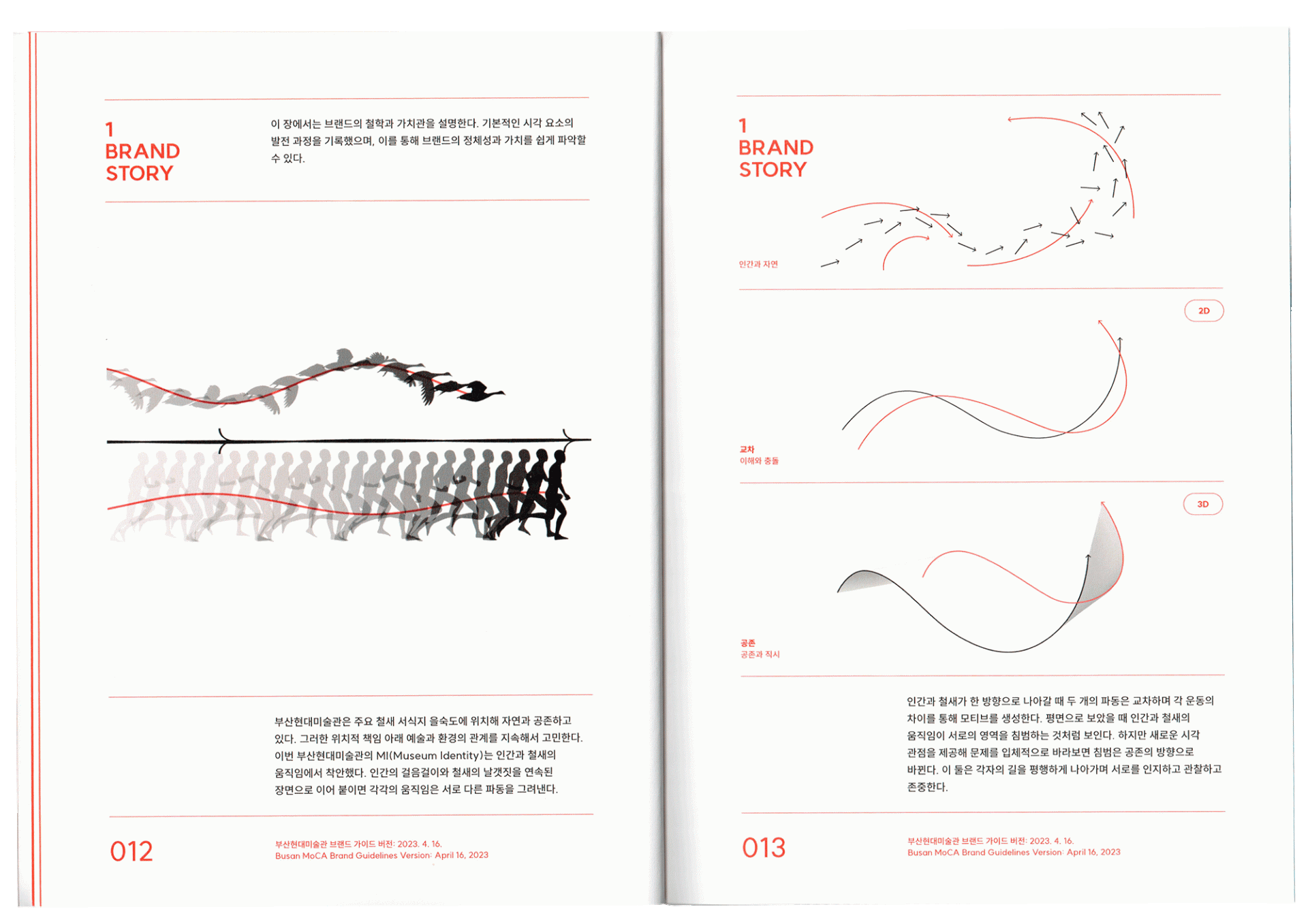
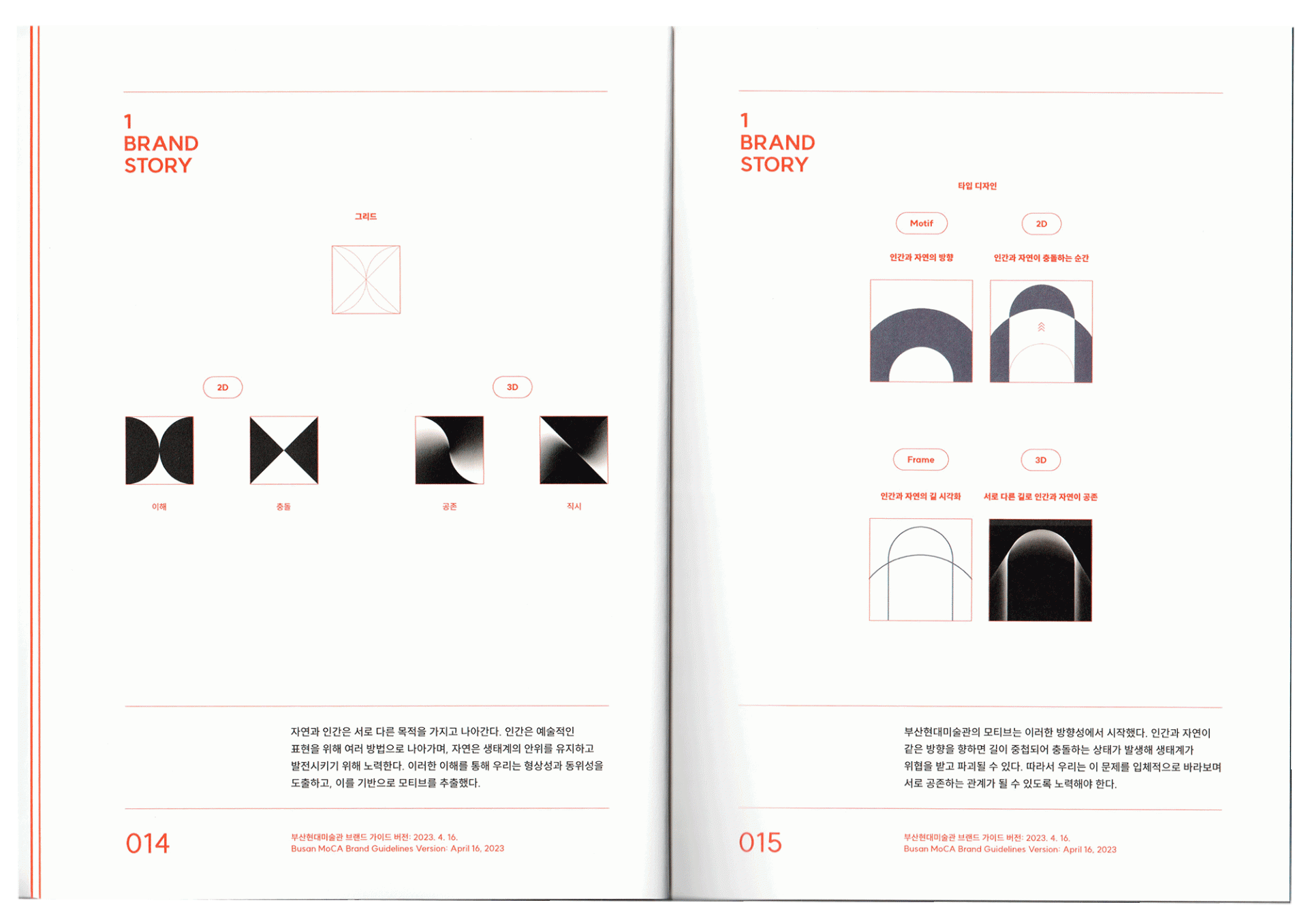
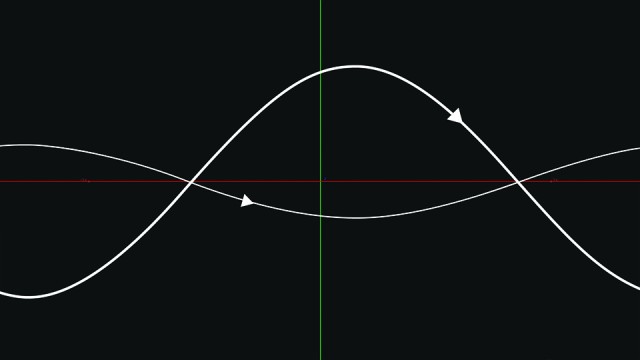
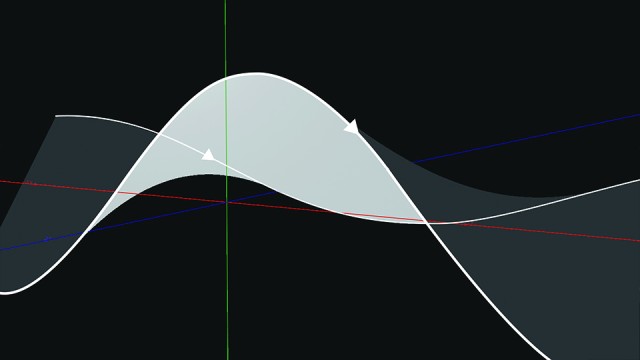
을숙도에는 서로 다른 두 가지 이동 경로가 존재한다. 하나는 인간의 이동과 활동을 중심으로 형성된 경로이고, 다른 하나는 철새들이 계절에 따라 이동하는 경로이다. 그는 이 두 경로를 종이 위에 선으로 그려 보았다. 평면 위에서 두 선은 서로 교차하는 것처럼 보이지만, 실제 공간에서는 서로 다른 높이와 층위에서 존재하기 때문에 직접적으로 충돌하지 않는다. 이 구조는 인간과 자연이 같은 공간을 공유하면서도 서로 다른 방식으로 그 공간을 사용하고 있다는 사실을 보여 준다. 이 프로젝트는 이러한 관계를 통해 자연 환경 속에서 이루어지는 인간의 활동이 어떤 방식으로 존중과 균형을 고려해야 하는지 질문한다.
전시를 준비하는 과정에서 그는 박물관의 운영 방식과 환경적 영향에 대해서도 다시 생각하게 되었다. 을숙도라는 장소는 인간의 문화 활동과 철새의 생태적 이동이 동시에 이루어지는 지점이며, 이러한 조건은 박물관의 정체성과도 밀접하게 연결된다. 인간과 철새가 같은 장소를 공유하지만 서로 다른 목적과 방식으로 그 공간을 사용한다는 사실은 전시의 주요 주제와 브랜딩의 방향을 형성하는 요소가 되었다.
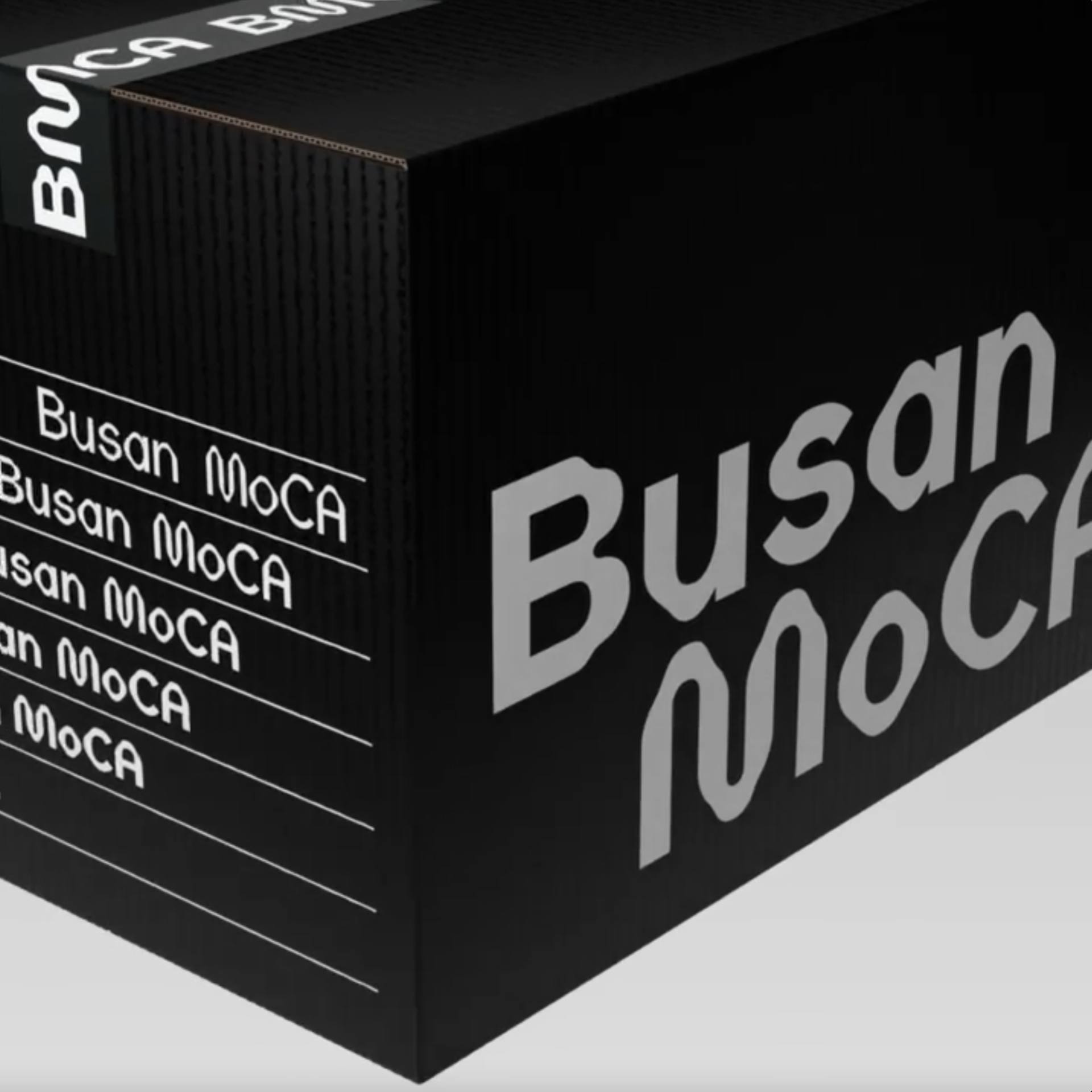
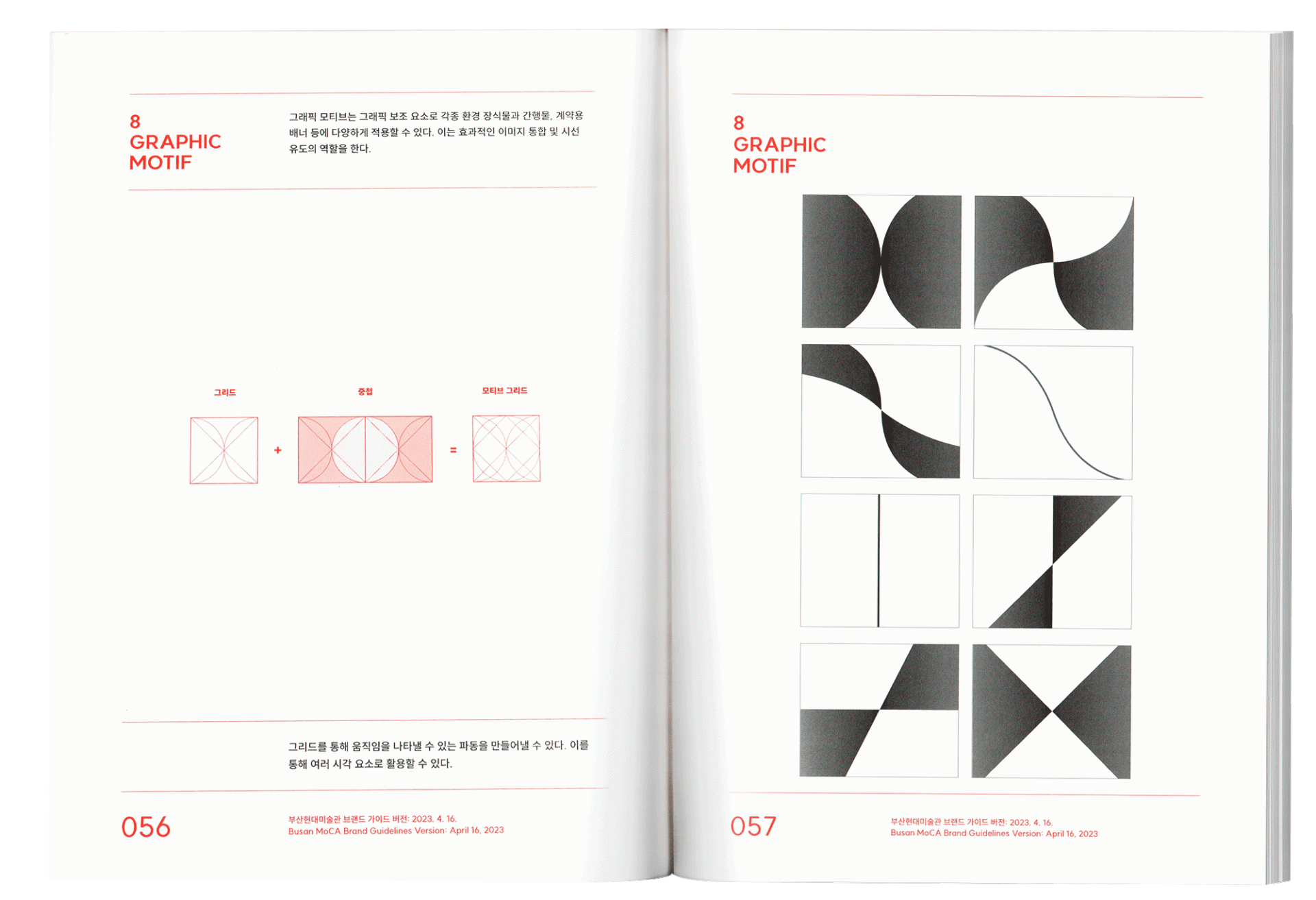
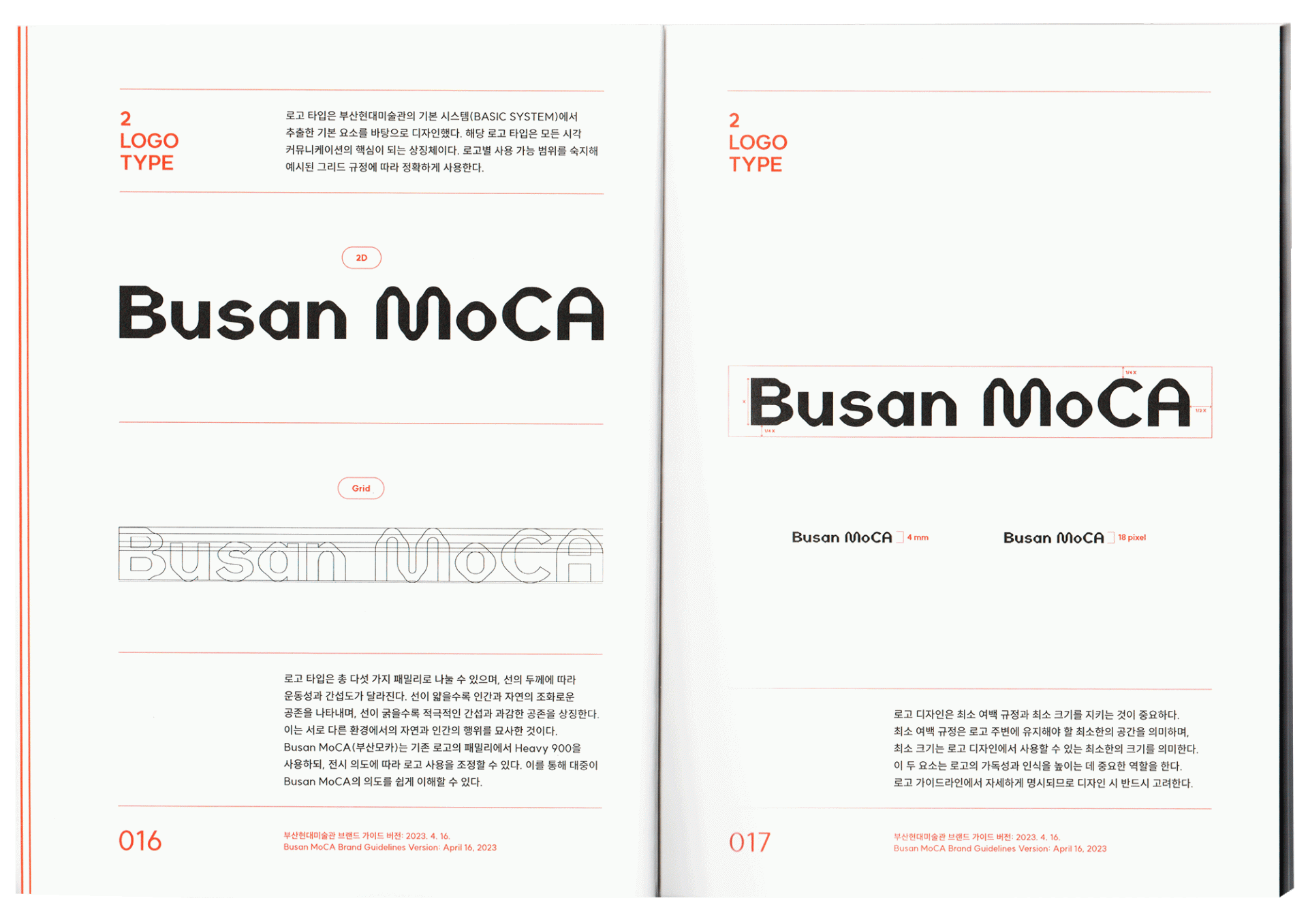
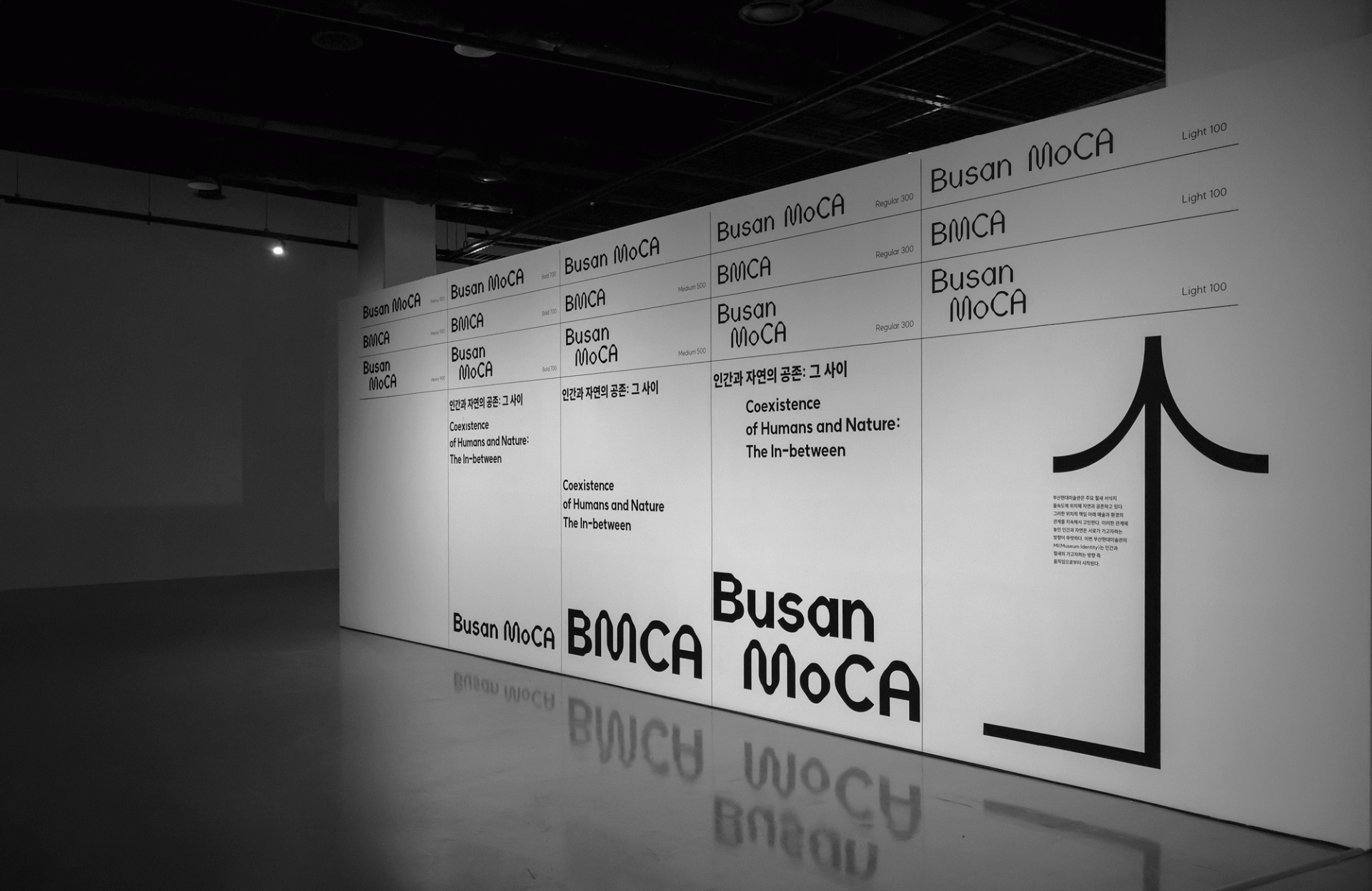
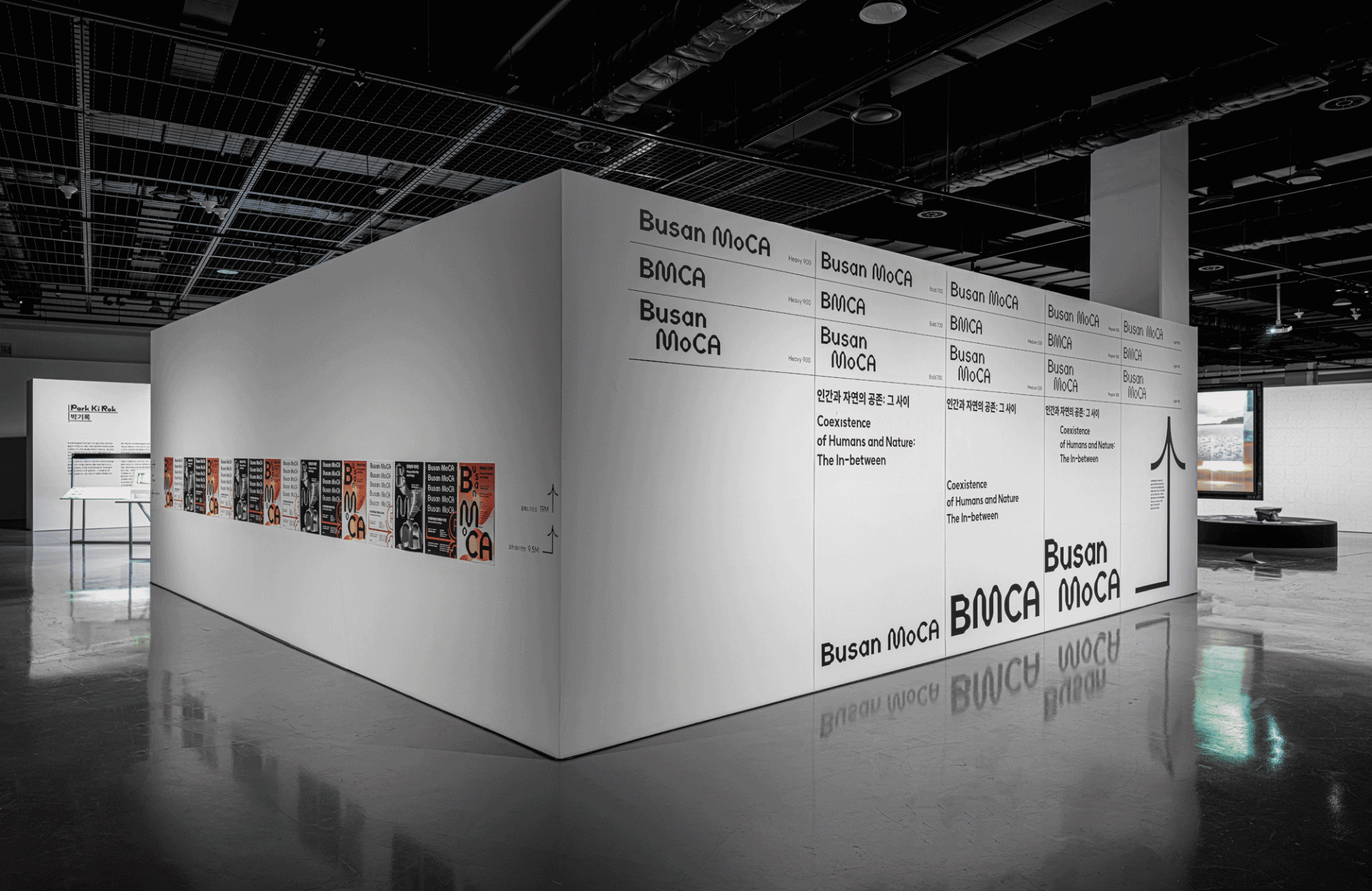
이러한 관계를 시각적으로 표현하기 위해 전시와 브랜딩에서는 인간과 자연의 공존을 상징하는 새로운 모티프와 시각적 구조가 제안되었다. 서로 다른 움직임이 한 공간에서 교차하며 새로운 패턴과 흐름을 만들어 내는 상황을 통해, 박물관은 인간과 자연의 관계를 다시 사유하는 장소로서 자신의 정체성을 재구성하게 된다.
This project focused on museum branding and exhibition design. They were invited by the museum to develop its branding and exhibition design system, and during this process they became particularly interested in the conditions of the museum's location. The Busan Museum of Contemporary Art is situated on Eulsukdo, an island that also serves as a major migratory route for birds. The fact that human activities and the movement of migratory birds take place in the same location became the starting point of the project.
Eulsukdo contains two different kinds of trajectories. One is the path formed by human movement and activity, and the other is the migratory route followed by birds according to seasonal cycles. They drew these two paths as lines on paper. On a flat surface, the two lines appear to intersect, but in reality they exist on different spatial layers and elevations, meaning they do not physically collide. This structure reveals how humans and nature share the same environment while using it in fundamentally different ways. Through this relationship, the project raises questions about how human activity within natural environments should consider respect and balance.
While preparing the exhibition, they also began to reconsider the museum's operational methods and its environmental impact. Eulsukdo is a place where human cultural activity and the ecological movement of migratory birds occur simultaneously, and this condition is closely tied to the identity of the museum itself. Although humans and birds occupy the same place, they use that space for different purposes and in different ways. This idea became a central theme that informed both the exhibition and the direction of the museum's branding.
To visually express this relationship, the exhibition and branding proposed a new motif and visual structure symbolizing the coexistence of humans and nature. By presenting different movements intersecting within the same environment and forming new patterns and flows, the project repositions the museum as a site where the relationship between human activity and the natural world can be reconsidered.
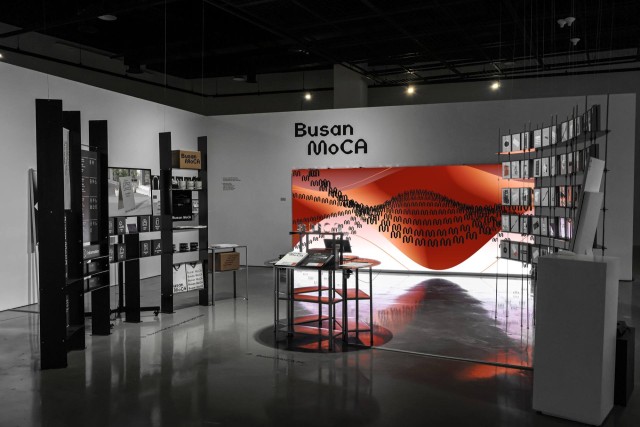

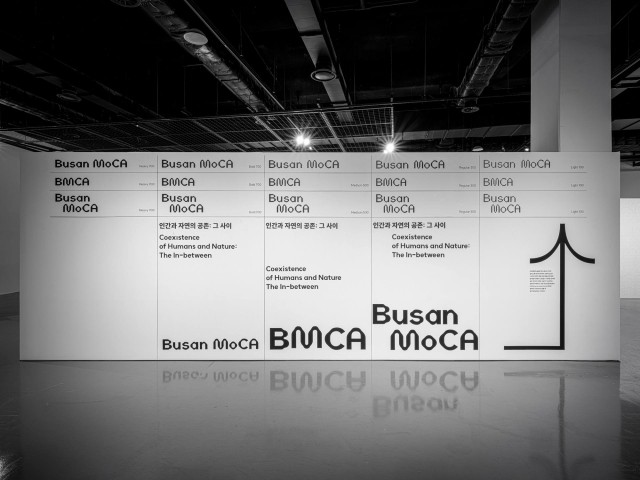
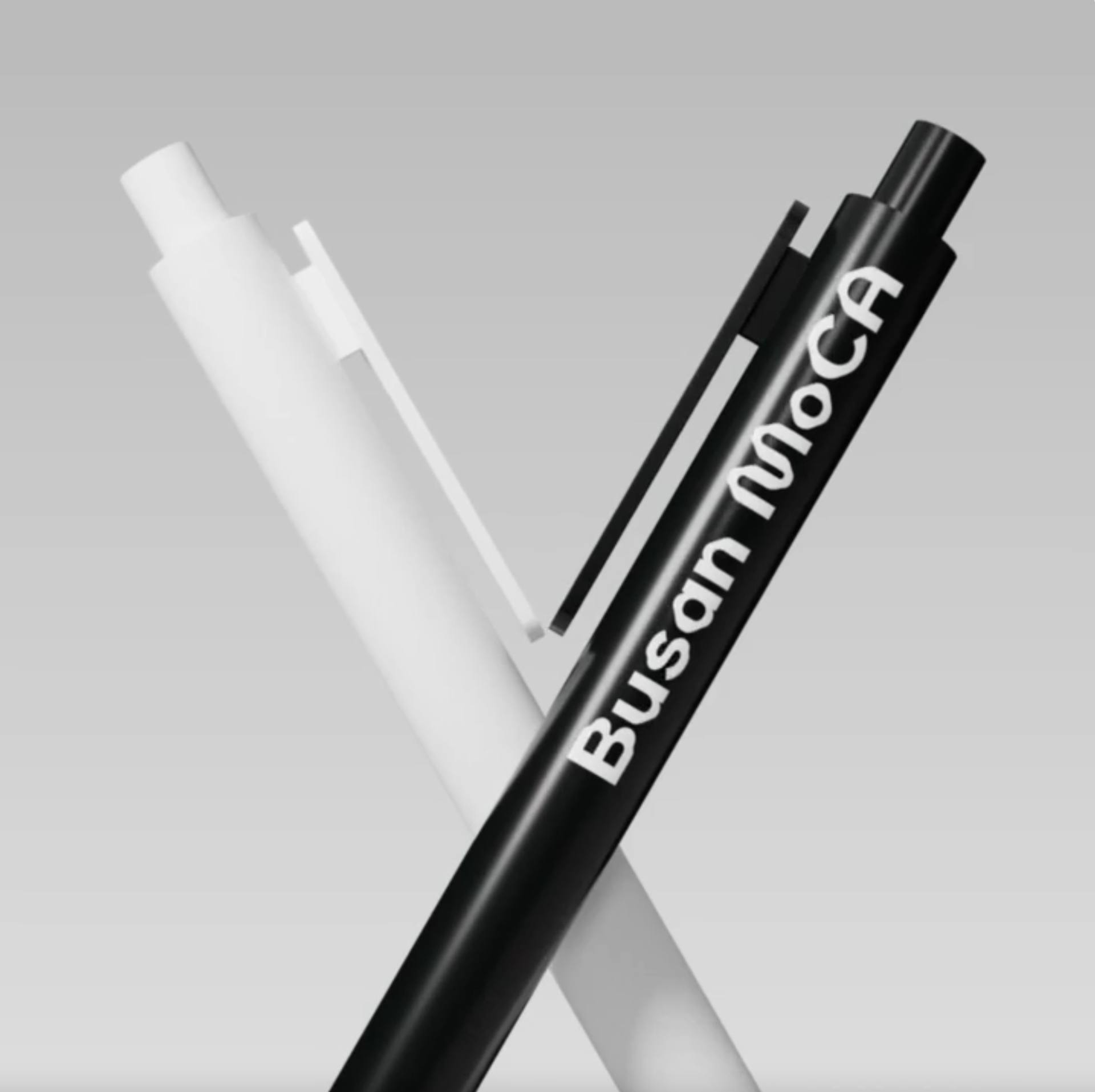
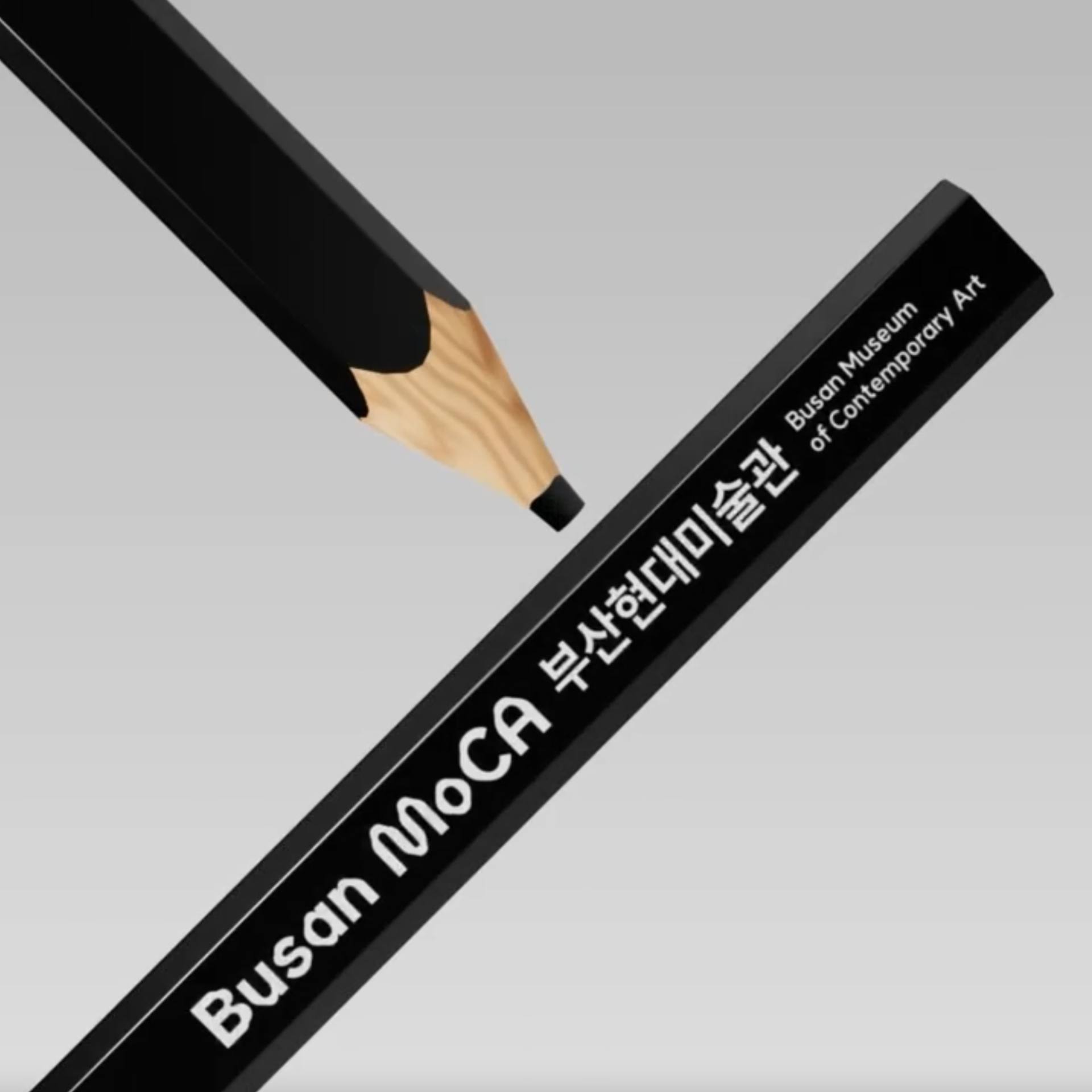
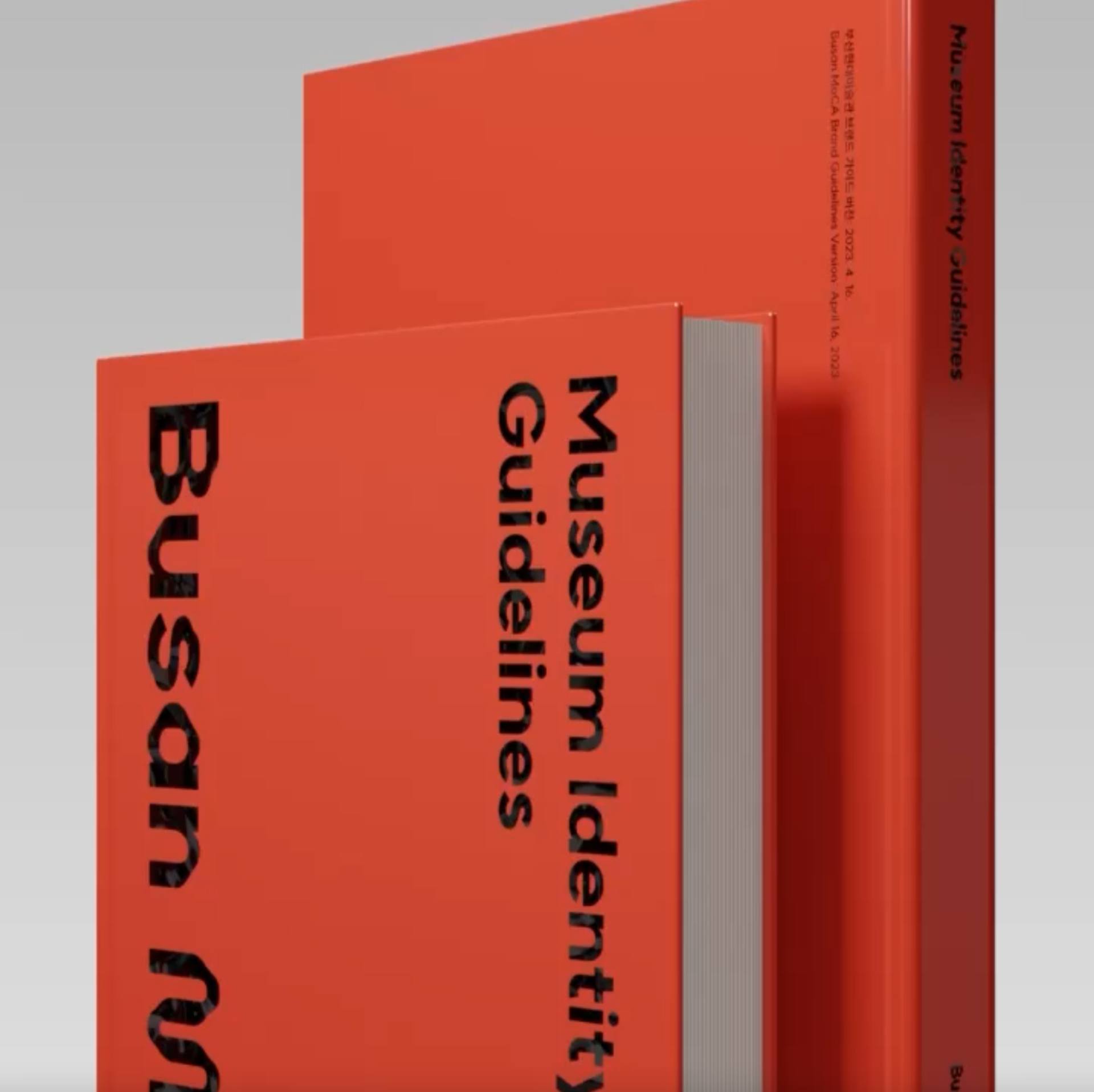
또한 이 전시에서는 웹을 활용하여 실제 물리적 상품을 대체하는 방식이 실험되었다. 3D로 구현된 가상의 상품을 전시 공간에서 보여 주는 동시에, 그것이 생산되는 과정에서 발생하는 자원 소비와 환경적 영향을 함께 드러냈다. 이를 통해 전시는 전시 디자인과 브랜딩이 단순한 시각적 표현을 넘어, 생산과 소비의 구조까지 질문할 수 있는 장치가 될 수 있음을 제안한다.
The exhibition also experimented with replacing physical products through the use of the web. Instead of presenting actual goods, 3D-rendered virtual products were displayed, while simultaneously revealing the resource consumption and environmental impact involved in their production. Through this approach, the exhibition suggested that exhibition design and branding can function not only as visual communication, but also as a framework for questioning the structures of production and consumption.